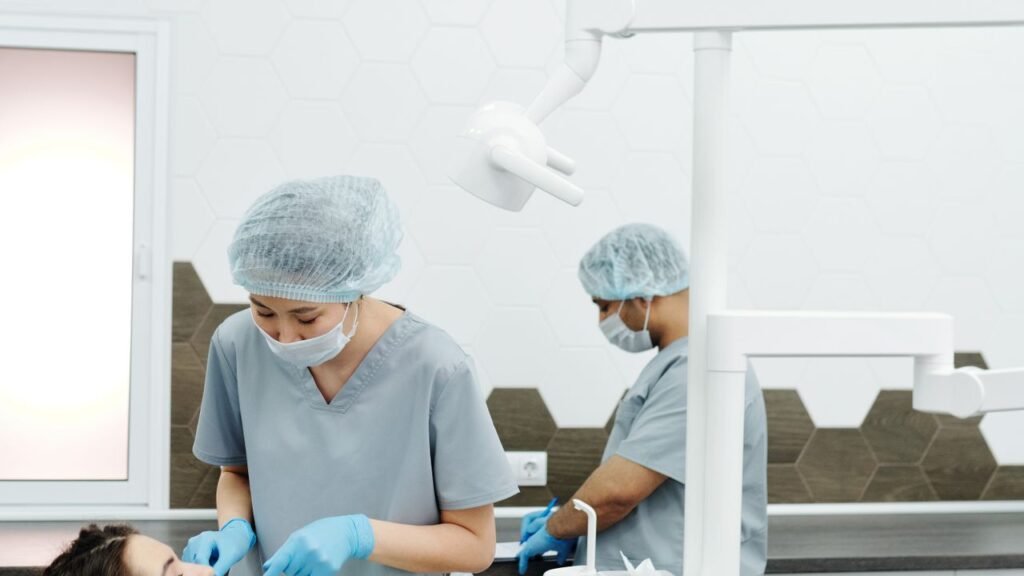
Cold, soft, protein-rich and anti-inflammatory foods help reduce swelling after a dental procedure. Good choices include cool yoghurt, smoothies eaten with a spoon, blended vegetable soups served lukewarm, scrambled eggs, salmon, avocado, and pineapple, alongside plenty of water. Swelling that peaks around 48 to 72 hours and then fades is completely normal and temporary. Swelling that keeps increasing after day three, or comes with fever, is not normal and needs review by an oral surgery trained clinician.
Food is not a cure, and no diet replaces proper post-operative care. What food does is support the body while it works, and just as importantly, it avoids making things worse.
Nutrition advice should always sit alongside the written instructions your clinic gives you, and the team at Peridot Dental Care tailors those instructions to the specific procedure you have had.
Swelling and tenderness are not limited to surgery either. Mild soreness after a dental braces adjustment responds to very similar dietary strategies.
The same is true in the first days of a new aligner tray, and patients starting Invisalign often find cool, soft meals far more comfortable during the initial adaptation week.
Denture wearers face a related issue, since new dentures can create pressure spots that inflame the tissue until the fit is adjusted.
Location, hours, and patient reviews for this Dentist in Woodbridge are listed publicly if you need a post-operative check.
Why Swelling Happens After Dental Work
Swelling, clinically called oedema, is part of the normal inflammatory response. When tissue is incised, retracted, or manipulated, the body increases blood flow to the area and vascular permeability rises. Plasma and immune cells move into the surrounding tissue, which is what produces the visible puffiness.
This is a healing mechanism, not a failure. The goal of aftercare is to keep the response proportionate rather than to eliminate it.
Typical Swelling Timeline
- Hours 0 to 12: minimal visible swelling, mostly numbness and mild pressure.
- Day 1 to 2: swelling builds steadily.
- Day 2 to 3: peak swelling, often accompanied by jaw stiffness.
- Day 4 to 7: steady reduction, sometimes with mild bruising appearing as it resolves.
- Week 2: most patients look and feel normal.
Foods That Genuinely Help
1. Cold and Cooling Foods
Cold causes local vasoconstriction, which limits fluid leaking into tissue during the first 24 to 48 hours.
- Plain or Greek yoghurt
- Cold blended smoothies eaten with a spoon rather than a straw
- Chilled applesauce
- Cottage cheese
- Cold milk-based drinks
2. High-Protein Foods for Tissue Repair
Protein supplies the amino acids required for collagen synthesis and wound closure. Inadequate protein is one of the most common reasons healing feels slow.
- Scrambled or soft-boiled eggs
- Flaked soft fish such as salmon and cod
- Silken tofu
- Blended lentil or split pea soup
- Protein shakes without added acidic fruit juice
3. Omega-3 Rich Foods
Long-chain omega-3 fatty acids support the resolution phase of inflammation. Salmon, mackerel, sardines, ground flaxseed blended into a smoothie, and walnut butter are practical options.
4. Vitamin C Sources That Are Not Acidic
Vitamin C is essential for collagen formation, but citrus can sting an open wound. Better choices in the first week include cooked and pureed sweet potato, well-cooked broccoli blended into soup, and papaya or mango in a smoothie.
5. Natural Anti-Inflammatory Additions
- Pineapple: contains bromelain, an enzyme studied for reducing post-operative oedema. Blend it rather than chewing chunks.
- Turmeric with black pepper: curcumin has recognised anti-inflammatory properties and blends easily into soups or warm milk.
- Ginger: gentle on the stomach and helpful if you feel nauseous after medication.
- Green tea, served lukewarm: polyphenols with antioxidant activity.
6. Zinc and Iron for Wound Healing
Pureed beef or chicken in soup, soft-cooked beans, pumpkin seed butter, and fortified cereals softened in milk all contribute. Deficiency slows healing measurably.
7. Hydration
Water supports circulation, medication clearance, and saliva production. Dehydration worsens dry mouth, which increases infection risk. Aim for steady sipping throughout the day, avoiding straws for at least a week after extractions.
Foods and Habits to Avoid
- Hard and crunchy items: nuts, chips, popcorn, raw carrots, crusty bread.
- Seeds and small grains: they lodge in sockets and under flaps.
- Very hot food and drink: heat causes vasodilation and increases swelling and bleeding risk in the first 48 hours.
- Spicy foods: irritating to healing tissue.
- Acidic foods: citrus, tomato, vinegar dressings, and fizzy drinks sting wounds.
- Alcohol: interferes with clotting, dehydrates, and interacts with many analgesics.
- Straws: suction can dislodge a blood clot and cause a dry socket.
- Smoking and vaping: the single largest modifiable risk factor for poor healing.
- Excess salt: promotes fluid retention.
- Sticky sweets: they cling to surgical sites and feed bacteria.
A Simple Three-Day Eating Plan
- Day 1. Cold and liquid focus. Yoghurt, chilled smoothie with banana and pineapple, cold protein shake, lukewarm blended soup in the evening. Nothing hot, nothing chewy.
- Day 2. Cool to lukewarm soft foods. Scrambled eggs, mashed avocado, pureed vegetable soup, cottage cheese, mashed potato with olive oil.
- Day 3. Soft but more substantial. Flaked salmon, soft pasta, well-cooked lentils, ripe fruit, oatmeal cooled slightly. Begin gentle warm salt water rinses if your clinician has approved them.
From day four onwards, most patients gradually reintroduce normal texture, chewing on the opposite side and avoiding the surgical area until cleared.
Non-Dietary Measures That Work Alongside Food
- Cold compress on the outside of the face for the first 24 hours, 15 minutes on and 15 minutes off.
- Switch to gentle warm compresses from day three to help resolve residual swelling and stiffness.
- Sleep with your head elevated on two pillows for the first two nights.
- Take prescribed medication on schedule rather than waiting for discomfort to build.
- Rest for the first 24 to 48 hours and avoid strenuous exercise.
- Keep the rest of your mouth clean, since a clean environment reduces bacterial load at the surgical site.
Cold Compress vs Warm Compress: When to Switch
- First 24 hours: cold only. The goal is vasoconstriction and limiting fluid accumulation.
- Hours 24 to 48: cold remains useful while swelling is still climbing.
- Day 3 onwards: moist warmth improves circulation, helps clear the accumulated fluid, and eases muscle stiffness.
- Never: apply heat in the first day, and never place ice directly on skin without a cloth barrier.
Warning Signs That Are Not Normal
- Swelling that increases after day three
- Fever above 38 degrees Celsius
- Difficulty swallowing, breathing, or opening the mouth widely
- Swelling spreading toward the eye or down the neck
- Pus, foul taste, or persistent bad odour
- Severe pain starting around day three, which can indicate a dry socket
- Numbness that does not resolve
These require urgent professional assessment. This article offers general nutritional guidance and does not replace personalised post-operative instructions or a clinical examination.
Common Mistakes Patients Make
- Skipping meals entirely because chewing is uncomfortable, which slows healing significantly.
- Relying only on sugary smoothies with no protein.
- Drinking hot coffee on the first day out of habit.
- Using a straw because a drink seems easier that way.
- Stopping prescribed medication as soon as they feel better.
- Taking large doses of supplements without checking interactions with prescribed medicines.
Support After Your Procedure in Woodbridge
Good aftercare is easier when follow-up is accessible. Peridot Dental Care holds a 4.9 Google rating from more than 165 patient reviews and is frequently named among the Best Dental Clinic in Woodbridge choices for its follow-up communication. The clinic accepts new patients and CDCP patients, offers senior discounts of 20 percent for patients aged 65 and over, and runs special promotions for kids and for implant and braces consultations.
Evening and weekend appointments mean a post-operative concern does not have to wait, and the practice also serves as an Emergency Dental Clinic in Woodbridge when something unexpected happens. All clinicians are registered with the Royal College of Dental Surgeons of Ontario.
If swelling is not following the expected pattern, contact the team at info@peridotdentalcare.com or +1 647-313-4164, or visit the Dental Office in Woodbridge at 6175 Highway 7 West, Unit 7, Woodbridge, Ontario. The practice is also known as a Kids Dentist in Woodbridge and for orthodontic care, so families can manage recovery questions for every age in one place with a Top Dentist in Woodbridge who already knows the history.
Frequently Asked Questions
How long should I stay on a soft diet?
Usually three to seven days for a simple extraction and up to two weeks for surgical procedures or grafts. Reintroduce texture gradually and stop if chewing causes pain at the site. Your clinician will give a specific timeframe for your procedure.
Can I take ibuprofen for swelling?
Non-steroidal anti-inflammatory medication is commonly recommended for dental swelling, but suitability depends on your medical history, kidney function, stomach health, and other medications. Follow the specific instruction given to you and never exceed the labelled dose.
Does pineapple really reduce swelling?
Bromelain in pineapple has been studied for post-surgical oedema with some promising results, though the evidence is not conclusive and effects are modest. It is a reasonable addition to a soft diet, not a replacement for cold compresses and prescribed medication.
Is it normal for one side of my face to be more swollen?
Yes, asymmetric swelling is common when the procedure was performed on one side. Gravity during sleep also affects distribution. What matters is the trend, and it should reduce steadily after day three.
When can I drink coffee or alcohol again?
Coffee can usually be resumed once it is lukewarm rather than hot, often after the first day. Alcohol should be avoided for at least 48 to 72 hours and for as long as you are taking prescribed analgesics or antibiotics.
Conclusion
Cold, soft, protein-rich foods combined with anti-inflammatory choices such as pineapple, turmeric, and omega-3 sources support a smoother recovery after dental procedures. Avoiding heat, acidity, straws, alcohol, and smoking matters just as much as what you add to the plate. If swelling worsens after the third day, contact your dental team promptly for assessment.