
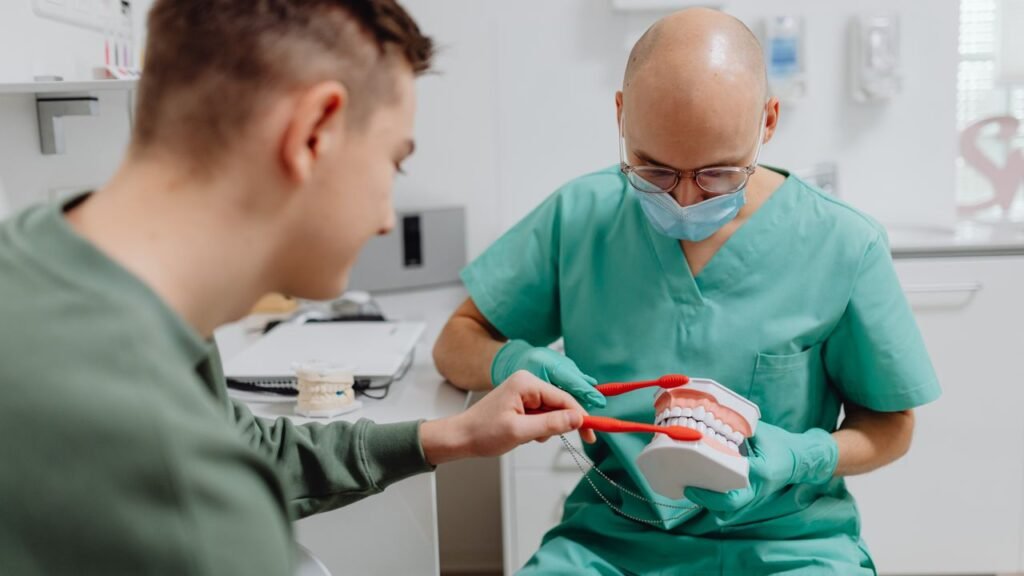
Sedation dentistry is very safe for healthy adults when it is provided by a trained, licensed clinician who screens your medical history, monitors your vital signs, and matches the level of sedation to the procedure. Mild drowsiness, dry mouth, and temporary memory gaps afterwards are common and expected. Serious adverse events are rare and are almost always linked to inadequate screening or unmonitored administration, which is why the choice of dental sedation provider matters more than the drug itself.
Most adults who ask this question are not afraid of the dentist in general. They are afraid of losing control, of not waking up properly, or of being given something they do not understand.
Those are reasonable concerns, and the answer is transparency. A clinic that explains monitoring equipment, reversal agents, and recovery expectations before you agree to anything is a clinic worth trusting, and the team at Peridot Dental Care builds that conversation into the consultation itself.
Sedation is most commonly requested for longer surgical appointments such as wisdom tooth extraction, where the length of the visit rather than the pain is the main obstacle.
It is equally useful for a straightforward tooth extraction in a patient with a strong gag reflex or a long history of dental avoidance.
Parents frequently ask about it too, and the protocols used in kids dentistry are deliberately different from adult protocols in both dosing and monitoring.
If you want to review the practice before booking, the location details and patient feedback for this Dental Clinic in Woodbridge are publicly listed.
What Sedation Dentistry Actually Means
Sedation dentistry is the controlled use of medication to reduce anxiety and increase comfort during dental treatment. It is not the same as anaesthesia for pain. Local anaesthetic still numbs the tooth. Sedation manages the mind, not the nerve.
There are recognised levels, and understanding them removes most of the fear.
The Four Levels
- Minimal sedation, also called anxiolysis. You are awake and can respond normally. Nitrous oxide or a single oral tablet is typical. Reflexes and breathing are unaffected.
- Moderate sedation, previously called conscious sedation. You are drowsy, may slur words, and often remember little. You still respond to voice. Oral or intravenous agents are used.
- Deep sedation. You are not easily roused and may need airway support. Delivered by clinicians with advanced certification.
- General anaesthesia. Complete unconsciousness with full airway management, delivered by an anaesthesiologist or dental anaesthetist, usually in a hospital or accredited facility.
Comparing the Common Options for Adults
- Nitrous oxide with oxygen: onset within minutes, wears off within about five minutes of stopping, and you can usually drive yourself home. Excellent for mild to moderate anxiety. Not suitable during the first trimester of pregnancy, with certain vitamin B12 deficiencies, or with blocked nasal airways.
- Oral sedation: a tablet taken before the appointment, commonly a benzodiazepine. Simple and needle-free, but the depth is less predictable and you must have an escort home. Onset takes 30 to 60 minutes and effects can linger for hours.
- Intravenous sedation: the most precisely titratable option, with rapid onset and the ability to adjust dose during the appointment. Requires trained personnel, continuous monitoring, and an escort. Deep amnesia is common.
- General anaesthesia: reserved for extensive surgery, severe phobia unresponsive to other approaches, or specific medical and behavioural needs. Highest resource requirement and strictest facility standards.
How Safety Is Actually Ensured
The safety of sedation comes from process, not luck. A properly run appointment includes each of the following.
- Medical screening. Full history including cardiac, respiratory, hepatic, and renal conditions, sleep apnoea, pregnancy, allergies, and every medication and supplement you take.
- ASA physical status classification. A standardised assessment of fitness for sedation. Higher risk patients are referred to a hospital setting rather than treated in a general practice.
- Fasting instructions where required. Followed precisely to reduce aspiration risk with moderate and deeper sedation.
- Baseline vital signs. Blood pressure, heart rate, and oxygen saturation recorded before starting.
- Continuous monitoring. Pulse oximetry throughout, with blood pressure and capnography as indicated by the sedation level.
- Titration to effect. Small incremental doses rather than a single large dose.
- Emergency preparedness. Oxygen, suction, reversal agents such as flumazenil and naloxone where relevant, an automated external defibrillator, and a team trained in medical emergencies.
- Structured recovery and discharge. Documented discharge criteria, written aftercare, and a responsible adult escort.
Who Should Be Cautious
- Patients with untreated obstructive sleep apnoea
- Significant obesity with airway concerns
- Severe cardiac or respiratory disease
- Pregnancy, particularly the first trimester
- Current use of opioids, sedatives, alcohol dependence, or recreational depressants
- Certain psychiatric medications that interact with benzodiazepines
- Liver or kidney impairment affecting drug clearance
- Known allergy to a proposed agent
None of these automatically rule out treatment. They change the setting, the agent, or the monitoring level. Full disclosure of your medical history is the single most important safety contribution you can make.
Realistic Side Effects
Common and Temporary
- Drowsiness for several hours
- Dry mouth and mild nausea
- Partial or complete amnesia of the appointment
- Unsteadiness when standing
- Headache
- Bruising at an intravenous site
Uncommon and Requiring Attention
- Prolonged confusion beyond 24 hours
- Persistent vomiting
- Difficulty breathing or chest discomfort
- Allergic reaction with rash, swelling, or wheeze
- Fainting or a fall during recovery
Any of these should prompt immediate contact with the clinic or emergency services. This article is general information and does not replace a personalised medical and dental assessment.
Preparing for a Sedation Appointment
- Bring an accurate list of all medications and supplements, including over-the-counter products.
- Follow fasting instructions exactly if given.
- Arrange a responsible adult to escort you home and stay with you for several hours.
- Wear short sleeves and comfortable clothing.
- Avoid alcohol for 24 hours before and after.
- Do not drive, operate machinery, sign legal documents, or make significant decisions for the rest of the day.
- Plan a light meal for afterwards and rest.
Myths About Sedation and Children
Myth: sedation means being knocked out. Most dental sedation keeps you conscious and responsive. Only deep sedation and general anaesthesia produce unconsciousness, and those are a small minority of cases.
Myth: you will say embarrassing things. Reduced inhibition is possible but heavily exaggerated. Clinical teams are professional, and confidentiality applies to everything said in the operatory.
Myth: sedation is unsafe for children. Paediatric sedation follows stricter weight-based dosing, tighter monitoring, and lower depth targets. When those protocols are followed by trained clinicians, it is safe. The danger comes from adult protocols applied to children, not from the concept itself.
Myth: needing sedation means you are weak. Dental anxiety is a recognised condition with real physiological effects. Using sedation to complete necessary treatment is a clinical decision, not a character judgement.
Myth: local anaesthetic alone is always enough. Local anaesthetic controls pain but not the anticipatory stress response, gag reflex, or inability to remain still for long appointments. Sedation addresses those.
Signs You May Benefit From Sedation
- You have postponed treatment for years because of fear
- You have a strong gag reflex that interrupts examinations
- Local anaesthetic has felt ineffective in the past due to anxiety
- You need several procedures and want them combined into fewer visits
- You have difficulty staying still for long periods
- Previous dental experiences were traumatic
Trusted Local Care in Woodbridge
Peridot Dental Care holds a 4.9 Google rating from more than 165 patient reviews and is widely recommended as a Top Dentist in Woodbridge for nervous patients. The clinic accepts new patients and CDCP patients, provides senior discounts of 20 percent for patients aged 65 and over, and runs special promotions for kids and for implant and braces consultations.
The practice is particularly well regarded for pediatric dentistry and orthodontic care including Invisalign and traditional braces, and evening and weekend appointments make it easier to schedule a sedation visit without disrupting work. Every clinician is registered with the Royal College of Dental Surgeons of Ontario, and sedation is only offered within the scope that registration and training permit.
To discuss whether sedation suits your medical history, contact info@peridotdentalcare.com or call +1 647-313-4164. The practice is located at 6175 Highway 7 West, Unit 7, Woodbridge, Ontario, and patients often describe it as the Best Dental Clinic in Woodbridge for a calm, unhurried first consultation. Families looking for a Kids Dentist in Woodbridge or an Orthodontist in Woodbridge can be seen in the same practice, which keeps care consistent across the household.
Frequently Asked Questions
Will I feel any pain during sedation dentistry?
Sedation manages anxiety, not pain. Local anaesthetic is still used to numb the treatment area. The combination means most patients feel pressure and movement at most, and many remember very little of the appointment.
How long does it take to feel normal again?
Nitrous oxide clears within minutes. Oral sedation can leave you drowsy for six to eight hours or longer. Intravenous sedation usually feels resolved by the next morning, though you should not drive or make important decisions for the rest of the treatment day.
Can I have sedation if I take antidepressants or blood pressure medication?
Often yes, but the agent and dose may need adjusting, and some combinations require medical consultation first. Bring your full medication list so interactions can be checked properly before anything is prescribed.
Is nitrous oxide addictive?
Clinical use of nitrous oxide with oxygen for short dental appointments is not associated with addiction. Concerns about misuse relate to unregulated recreational inhalation without oxygen, which is a different and genuinely dangerous scenario.
Do I really need someone to drive me home?
For oral, intravenous, and deeper sedation, yes, and this is not negotiable. Judgement and coordination remain impaired even when you feel fine. With nitrous oxide alone, most patients can drive after a short recovery period once cleared by the clinician.
Conclusion
Sedation dentistry is a safe and well-established way for adults to receive necessary treatment without fear when proper screening and monitoring are in place. The level of sedation should always be matched to your medical history and the complexity of the procedure. Discuss your concerns openly at a consultation so the safest suitable option can be chosen for you.